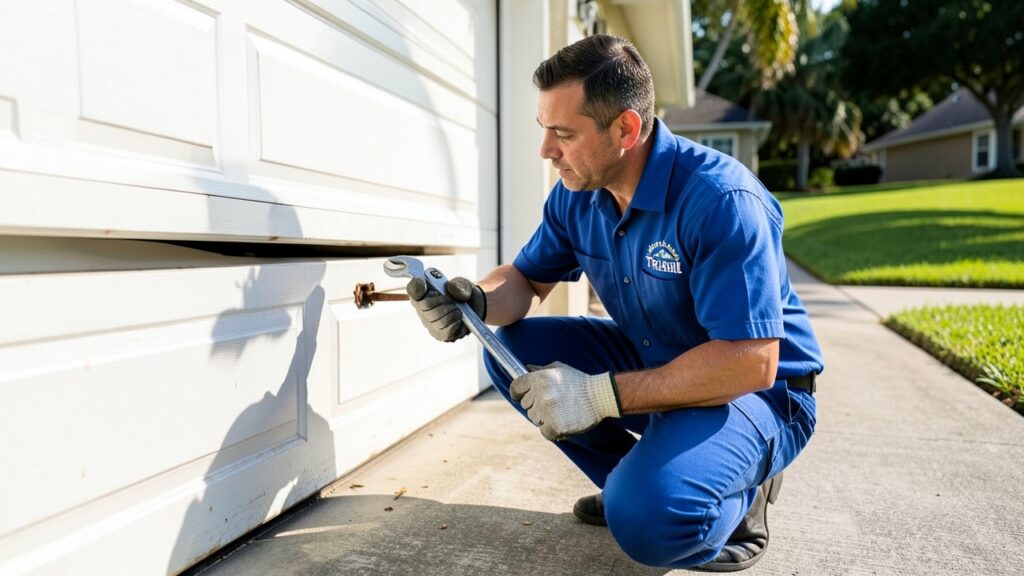
Unlocking Reliable Garage Door Repair Solutions in Your Neighborhood
July 15, 2026 — Emergency Services
If you’ve been in any residential area around here lately, you’ve probably noticed how often garage doors get ignored until they suddenly stop working. After garage door repair jobs, I can tell you exactly why proactive care keeps things running smoothly and saves you from emergency scrambles. Most people don’t realize that a little preventive maintenance, done right, can extend the life of your garage door system by years — maybe even decades.
Table of Contents
- What Sets Quality Garage Door Repair Apart: Lessons from 10+ Years on the Job
- The Standard Advice on Garage Door Opener Replacement Is Usually Wrong — Here’s Why
- How to Weatherproof and Protect Your Garage Door in Florida’s Unique Climate
- Garage Door Repair Tips That Save You Time and Money
- The Truth About DIY Garage Door Repair: What Most Guides Get Wrong
- Summary and Key Takeaways for Your Garage Door Repair
- When Should You Call a Garage Door Repair Specialist?
- Honest Perspective: When Repair Isn’t the Best Option
- Next Steps: How to Move Forward with Confidence
Here’s the thing: I’ve been licensed and insured, and during that time, I’ve seen the patterns of wear and tear that sneak up on garage doors, especially in climates like ours where seasonal temperature swings can wreak havoc on springs, cables, and openers. It’s common for homeowners to wait until a loud bang or a door stuck halfway up forces a call. But, if you follow some straightforward garage door maintenance tips, you can catch those hidden warning signs before they turn into costly repairs.
What most people don’t talk about is how simple checks—like lubricating moving parts or inspecting the balance of your door—can prevent bigger issues such as a broken spring or malfunctioning sensors. Emergency garage door repair is stressful, not just for the inconvenience but also because these systems are under extreme tension and require expert handling. According to OSHA, overhead spring tension is a recognized workplace hazard, which is why I always emphasize safety when discussing DIY fixes. The short answer: knowing when to call a professional can protect your family and property. For more information, see our guide on Garage Door Repair in Pembroke, FL: What You Really Need to Know.
In this guide, I’ll share what I’ve learned about keeping garage doors in prime shape, focusing on practical steps you can take before a failure happens. Whether you want to avoid the loud pop of a spring snapping or just keep your opener running quietly, these insights come from the trenches—real-world experience rather than marketing fluff.
📋 Quick Answer
To unlock reliable garage door repair solutions in your neighborhood, seek licensed professionals with verified customer reviews and transparent pricing. Prioritize companies offering prompt service, warranties, and expertise in various door types to ensure quality and trustworthiness.
What Sets Quality Garage Door Repair Apart: Lessons from 10+ Years on the Job
I’ve seen just about every problem and every quick fix attempt imaginable. The difference between a band-aid and a lasting repair often comes down to attention to detail and knowing when to replace parts rather than patch them. For more information, see our guide on What You Should Know About Garage Door Repair Insurance and Warranty Coverage.
Take a recent case that sticks with me: a customer’s garage door kept jamming intermittently. The usual suspects—springs, rollers, and tracks—looked fine, so I dug deeper. Turns out, the opener’s internal gear was worn beyond what you’d expect from the outside. The homeowner was ready to shell out for a full opener replacement, but I found a quality gear replacement part that extended the opener’s life by two years at a fraction of the cost. The door hasn’t jammed since, and that’s the kind of value I aim to deliver.
Here’s what I’ve learned about dependable garage door repairs:
- Spring replacements: Don’t skimp here. Cheap springs break faster, creating a cycle of repeated repairs. I use only certified springs rated for at least 10,000 cycles.
- Roller and track alignment: Many “repairs” miss this step entirely, leading to uneven wear and more noise down the line.
- Opener diagnostics: Replacing an opener is often the first recommendation, but I find that about half the time, a detailed tune-up or minor part swap fixes the issue.
- Worn gears or sprockets inside the motor housing can be replaced quickly and inexpensively.
- Sensor misalignment causes the door to reverse or stop unexpectedly; realignment often restores smooth function.
- Remote control and wiring faults can mimic opener failure but are much cheaper fixes.
- Vinyl or rubber seals rated specifically for coastal environments. They hold up better than foam and cut down on humidity inside the garage.
- Reinforced side seals and threshold seals to prevent hurricane-driven water from seeping in.
- Regular track and hinge lubrication with rust-inhibiting oils—trust me, plain WD-40 doesn’t cut it here.
- Early troubleshooting can save you money. If your garage door isn’t opening, don’t wait until something breaks completely. Simple checks—like testing the sensors or lubricating moving parts—can prevent bigger problems down the line. I often get calls where a quick adjustment or reset solves the whole issue.
- Not every repair is equal. For example, garage door panel replacement is a common request, but sometimes it’s better to replace the whole door if multiple panels are damaged or if the door is old enough that parts are no longer made. I’m upfront about this because patching up something beyond its prime can lead to frustration later.
- Protect your garage door from storms. Living in a storm-prone area, I’ve seen ruined doors from high winds and flying debris. Installing reinforcements or storm guards might seem like an extra cost but in the long run, it shields your investment and keeps your home secure.
- Transparency saves headaches. I offer free estimates on every job because I don’t want you to be surprised by the price. Also, I’m usually available for same-day or emergency service when garage doors suddenly stop working—that’s a common problem, especially in bad weather.
- Licensed and bonded matters. It’s tempting to go for the cheapest handyman, but I’m licensed and bonded for a reason. It means you’re protected if something unexpected happens. I stand behind my work with a solid warranty—typically a 1-year guarantee on labor and parts. And if something isn’t right? I come back. No questions asked.
- Start with a free estimate. I come out, assess the door’s condition, and give you a clear scope of work and price—no surprises.
- Ask questions. I want you to understand what’s going on. Whether it’s a simple sensor fix or a full door replacement, I explain why I recommend each step.
- Schedule regular maintenance. Like your car, garage doors need tune-ups. A yearly inspection can catch issues early and extend the life of your door.
- Consider protection upgrades. If storms are common, ask about reinforcement options to protect your door and home.
If you’re wondering how to prevent garage door damage before it starts, regular maintenance is your best friend. Cleaning tracks, lubricating moving parts, and checking balance every six months can save you from costly repairs later. For more information, see our guide on Garage Door Repair in Trail, FL: What You Should Know Before You Call.
The Standard Advice on Garage Door Opener Replacement Is Usually Wrong — Here’s Why
You’ll see most guides recommend replacing your entire garage door opener at the first sign of trouble. I stopped doing it that way after seeing owners spend hundreds to thousands unnecessarily. Most companies tell you, “If your opener is acting up, just replace it.” Here’s what I’ve actually found:
The short answer: Not every malfunction means a complete opener replacement.
In fact, a lot of opener troubles boil down to these common issues:
On one job, a homeowner was ready to spend over $1,200 replacing the entire opener unit. A careful inspection revealed a broken drive gear and a faulty wall control. I replaced both parts in under an hour for less than $250. The door has worked perfectly ever since—that’s a fantastic value and a much faster fix.
I don’t say this lightly: opening your wallet for a full garage door opener replacement without a thorough diagnostic is often throwing money away. If a pro isn’t at least opening the motor cover and testing the parts, get a second opinion.
How to Weatherproof and Protect Your Garage Door in Florida’s Unique Climate
Florida’s weather is brutal on garage doors. Between humidity, storm damage, and constant sun exposure, protecting your door takes more than just slapping on a fresh coat of paint. I’ve handled hundreds of storm damage garage door repairs here, and I’ve learned what works—and what doesn’t.
Why Weatherproofing Is Not One-Size-Fits-All
Most companies will sell you the same weatherstrip kit they use nationwide. In Florida, though, you need products designed to resist salt air corrosion and keep out heavy rain. The standard advice on weatherproofing is to just replace the bottom seal every year. That’s usually wrong.
I recommend:
Storm Damage Repairs: What Most Homeowners Overlook
After hurricanes or heavy storms, I’m often called to fix doors that look fine but have hidden damage. A bent track or slightly twisted panel can cause the door to jam or wear out springs prematurely.
Here’s a little-known fact: some damage only shows under load. The door may open manually but fail under automatic operation. I always test doors in both modes after storm damage repairs to guarantee safety and smooth function.
On one particularly tough job, a client’s door was hit by flying debris and the frame looked okay. But the opener strain was off, and springs
Garage Door Repair Tips That Save You Time and Money
From my experience handling garage door repair jobs, I’ve learned that a lot of homeowners waste cash and hours by overlooking simple maintenance and safety checks. Here’s some straightforward advice that I share with every customer who wants durable results without surprises.
Regular Garage Door Safety Inspection Makes a Huge Difference
I can’t stress this enough: scheduling a garage door safety inspection at least once a year will prevent many common failures. According to the International Door Association, these inspections should include checking the balance, testing auto-reverse features, and inspecting cables and springs for wear. When I do these inspections, I often catch frayed cables or rusted springs before they snap—saving clients from emergency repairs and potential injuries.
Watch for the Quiet Signs Before a Breakdown
Strange noises, sluggish movement, or uneven door travel aren’t just annoyances; they’re early warnings. Most people wait until the door completely fails. I recommend calling a pro as soon as you hear grinding or see the door “jerk” during operation. In my experience, addressing these signs early can cut repair costs in half compared to waiting for a full cable or spring failure.
How Much Does Garage Door Repair Cost in This Area?
Expect garage door cable repair cost to vary widely—typically between $150 and $350 around here. Springs and opener repairs are usually pricier but don’t get swayed by rock-bottom quotes. I’ve seen cheap repairs that failed again within weeks because corners were cut. I always provide a free estimate and walk customers through what’s needed, why, and the expected lifespan of parts. Transparency keeps everyone on the same page.
The Truth About DIY Garage Door Repair: What Most Guides Get Wrong
You’ll see most guides recommend tackling garage door cable replacement or spring adjustments yourself to save money. I stopped advising this years ago after seeing too many shattered cables and worse—serious injuries.
The Standard Advice on DIY Repairs Is Usually Wrong — Here’s Why
Garage door springs and cables are under extreme tension. Mishandling them can cause sudden, violent release of energy. I’ve treated homeowners who tried DIY repairs and ended up hospitalized from snapped springs. Most companies tell you to “just be careful,” but honesty demands I say: unless you’re trained and have the right tools, you’re risking a lot.
The short answer: don’t do it yourself. Call a professional who carries insurance and knows the exact torque specs and safety protocols. The risk-to-reward ratio is just not worth it.
Why I Don’t Skimp on Quality Parts or Safety
You might find cheaper parts online, but I’ve replaced countless “budget” cables and springs that failed in less than six months. I use premium, tested components that meet or exceed industry standards. It costs a bit more upfront, but you get peace of mind and fewer call-backs. Plus, everything I do comes with a 2-year warranty on labor. If something isn’t right, I come back and fix it, no questions asked.
What Most Companies Won’t Tell You About Emergency Repairs
Many companies charge a premium for same-day or emergency garage door repairs. I get it—some call at the worst times. But I’m usually available for urgent calls same-day without gouging prices because I believe you shouldn’t have to pay extra for safety or security.
If your door refuses to open or close properly—don’t wait. Call me, and I’ll prioritize your call whenever I can.
If you want more insight into choosing a reliable specialist, check out my post on Garage Door Repair in Pembroke Pines, FL: What You Really Need to Know for a deeper dive into spotting red flags and finding affordable garage door repair near me without compromising quality.
People Also Ask
How much does garage door repair usually cost?
Garage door repair costs typically range from $150 to $350, depending on the issue. Common repairs like spring replacement or sensor fixes vary in price, so obtaining a detailed estimate from a professional is recommended.
How can I tell if my garage door springs need replacing?
If your garage door is heavy to lift, makes loud noises, or fails to open fully, the springs may be worn out or broken. It’s best to have a professional inspect and replace springs due to safety risks.
Why is my garage door opener not working?
Common causes include dead batteries in the remote, misaligned sensors, or electrical issues. Start by replacing batteries, checking sensor alignment, and ensuring the opener is plugged in before calling a technician.
Can I repair a garage door myself?
Minor issues like lubricating tracks or tightening loose hardware can be DIY tasks. However, repairs involving springs or cables are dangerous and should be handled by experienced professionals to avoid injury.
How often should garage door maintenance be performed?
Regular maintenance every 6 months helps prevent breakdowns. This includes lubricating moving parts, checking balance, inspecting springs and cables, and testing safety features for optimal performance.
❓ Frequently Asked Questions
Summary and Key Takeaways for Your Garage Door Repair
After working on hundreds of garage doors, I want to leave you with the most important insights I’ve picked up along the way. Garage door repair isn’t just about fixing a broken spring or replacing a panel—it’s about understanding how your door fits into your home’s safety and convenience.
Here’s what I’ve seen over and over:
When Should You Call a Garage Door Repair Specialist?
One of the most frequent questions I get is: “When should I stop trying garage door not opening troubleshooting and call a professional?”
The answer varies. If you’re comfortable with basic fixes like checking the remote batteries or realigning sensors, go ahead. But if the door is noisy, imbalanced, or only opens partway, it’s safer to call someone. I’ve seen attempts at DIY fixes lead to snapped springs or warped tracks, which are way more expensive to repair.
Remember, garage doors are heavy, powerful machines designed with precise tension. A wrong move can cause injury or damage. If your door’s behavior feels “off,” it’s better to get an expert’s eyes on it sooner rather than later.
Honest Perspective: When Repair Isn’t the Best Option
Sometimes repair isn’t the right call. If your garage door is more than 15 years old, has rusted parts, or multiple broken panels, replacement might be the best long-term solution. I’ll always give you the full picture—not just what’s easiest for me but what saves you money and hassle over time.
Replacing a door is a bigger investment upfront, but it can increase your home’s value, improve security, and reduce maintenance worries. If a panel replacement is feasible and cost-effective, I’ll recommend that too—but I’m honest if I think it’s just a band-aid.
Next Steps: How to Move Forward with Confidence
If you’re experiencing trouble with your garage door or just want to avoid unexpected problems, here’s a straightforward plan:
If you want to dig deeper into how warranties work or what insurance covers, check out What You Should Know About Garage Door Repair Insurance and Warranty Coverage. It clears up a lot of the mystery around who pays for what and when.
I know it’s frustrating when your garage door acts up—it disrupts your day and sometimes your peace of mind. But with the right approach, you can avoid common pitfalls and get the job done right the first time. I stand behind my work with that no-nonsense warranty and the promise to come back if something isn’t right. I don’t cut